Nos Actualités
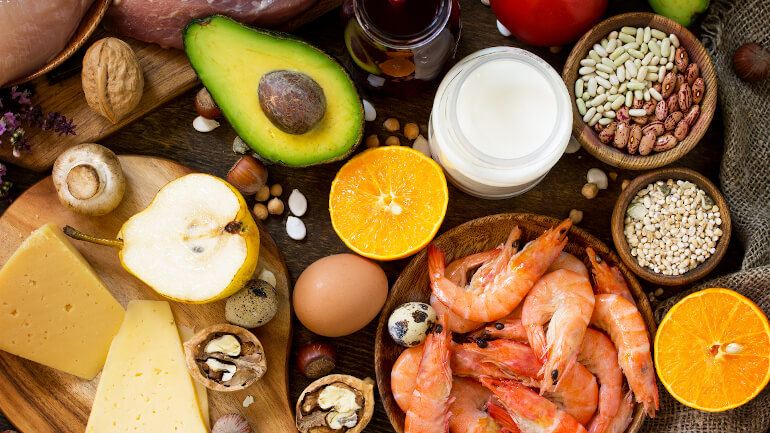
Que manger pour rester en forme sans dépenser trop ?
Dans un contexte où le coût de la vie augmente, beaucoup pensent que bien manger coûte forcément cher. Pourtant, adopter une alimentation saine et équilibrée ne dépend pas forcément du budget, mais plutôt de la manière dont on choisit, achète et prépare ses aliments. Loin des superaliments hors de prix et des régimes à la mode, il existe des solutions accessibles à tous, pour nourrir son corps avec intelligence, sans sacrifier ni la santé ni le portefeuille. Découvrons ensemble des stratégies alimentaires concrètes pour rester en forme sans se ruiner.
Manger sain sans se ruiner : une question de choix, pas de moyens
La clé d’une alimentation équilibrée à petit prix ne réside pas dans les produits transformés à l’étiquette “healthy” ou les supermarchés bio. Elle réside dans le retour à une alimentation simple, locale et variée. Bien manger, ce n’est pas remplir son frigo de produits chers, c’est faire des choix éclairés, savoir quoi cuisiner et comment s’organiser.
Cela commence par une chose : remettre les bons aliments au cœur de l’assiette.
Céréales et légumineuses : des alliés santé à petit prix
Ces aliments souvent sous-estimés sont pourtant parmi les plus complets sur le plan nutritionnel.
Des aliments riches, rassasiants et durables
Les légumineuses (lentilles, pois, haricots, niébé…) sont riches en protéines végétales, fibres, vitamines et minéraux. Les céréales comme le fonio, le riz, le maïs ou le mil apportent de l’énergie durable, tout en étant très digestes. En les associant intelligemment, on obtient un repas complet, rassasiant, sans besoin de viande systématique.
Fonio, riz, lentilles, pois : comment les varier sans se lasser
Un même produit peut se décliner de mille façons : couscous de fonio aux légumes, riz sauté, soupe de lentilles aux épices, purée de pois cassés… Il suffit d’un peu de créativité pour transformer ces aliments simples en plats savoureux. De plus, ces produits se conservent longtemps et s’achètent en vrac, ce qui réduit encore le coût par portion.
Miser sur les produits locaux, de saison et bruts
L’un des réflexes les plus efficaces pour manger sainement sans trop dépenser, c’est de privilégier les produits cultivés localement et consommés au bon moment.
Pourquoi les aliments locaux sont souvent plus nutritifs et moins chers
Les fruits et légumes de saison n’ont pas besoin d’être importés ni transformés. Résultat : ils sont moins chers, plus frais, et donc plus riches en nutriments. En achetant local, on soutient aussi l’économie de proximité tout en réduisant l’empreinte carbone.
Exemples concrets d’aliments à privilégier selon les saisons
En saison sèche : patate douce, arachide, maïs frais, gombo.
En saison des pluies : légumes-feuilles, igname, mangue, citron.
Ces aliments, consommés au bon moment, sont souvent en abondance sur les marchés, et donc bien plus abordables.
Réduire la viande sans nuire à sa forme physique
Contrairement à une idée reçue, on n’a pas besoin de consommer de la viande tous les jours pour être en forme. Il existe des alternatives végétales accessibles, riches en protéines et bien plus économiques.
Comment équilibrer ses apports avec des alternatives végétales ?
Un bol de fonio accompagné de sauce arachide et de haricots rouges couvre déjà une grande partie des besoins nutritionnels journaliers. En y ajoutant des légumes cuits, on obtient un repas complet, sain et riche en fibres.
Œufs, arachides, soja : des sources accessibles de protéines de qualité
L’œuf est l’un des aliments les plus nutritifs et économiques à la fois. L’arachide, en pâte ou en sauce, est riche en lipides bons pour le cœur. Le soja, quant à lui, se consomme en grains, en lait ou en tofu artisanal. Ces trois aliments peuvent facilement remplacer la viande dans de nombreux plats traditionnels.
Planifier ses repas et cuisiner maison : le combo gagnant
Enfin, rester en forme avec un petit budget, c’est aussi une question d’organisation.
Organiser ses courses pour éviter les achats impulsifs
Une liste de courses précise, basée sur un menu hebdomadaire, permet d’éviter les achats inutiles et de mieux contrôler ses dépenses. Cela limite également les pertes alimentaires en fin de semaine.
Préparer en avance pour gagner du temps et faire des économies
Cuisiner en grande quantité puis congeler des portions permet de gagner du temps en semaine, de ne pas céder à la tentation de plats industriels, et d’avoir toujours un repas sain prêt à être réchauffé. C’est aussi un excellent moyen d’éviter le gaspillage alimentaire.
Laisser un commentaire
0 Commentaire
No comments yet. Be the first to comment!
Related Articles

Pourquoi le fonio est-il une solution durable pour l’alimentation en Afrique ?
21 Aug 2025
Lire la suite →Abonnez-vous à notre newsletter
Entrez votre mail pour recevoir toute nos nouveautés et offres exclusives que nous vous préparons